
Issue 57: Let's Talk DNA

DNA is the acronym for deoxyribonucleic acid. It is the building blocks that carries the information about who you. DNA comprises two different strands. You get half from your father and half from your mother. It determines things like your eye colour, genetic diseases, physical traits and development. As DNA is inherited from your parents, except with identical twins, no one has the same DNA. Over time the science behind DNA has become better and it is one area in forensic science that helps true crime.
The Structure of DNA
At its core, DNA has a very specific structure.
It comprises a sugar-phosphate backbone, where the four nucleotide bases are:
Adenine (A)
Thymine (T)
Guanine (G)
Cytosine (C)
⠀These bases pair together (A with T, G with C) to form the famous double helix structure. This structure allows DNA to store and replicate information with incredible accuracy.
How DNA Is Used In Forensics
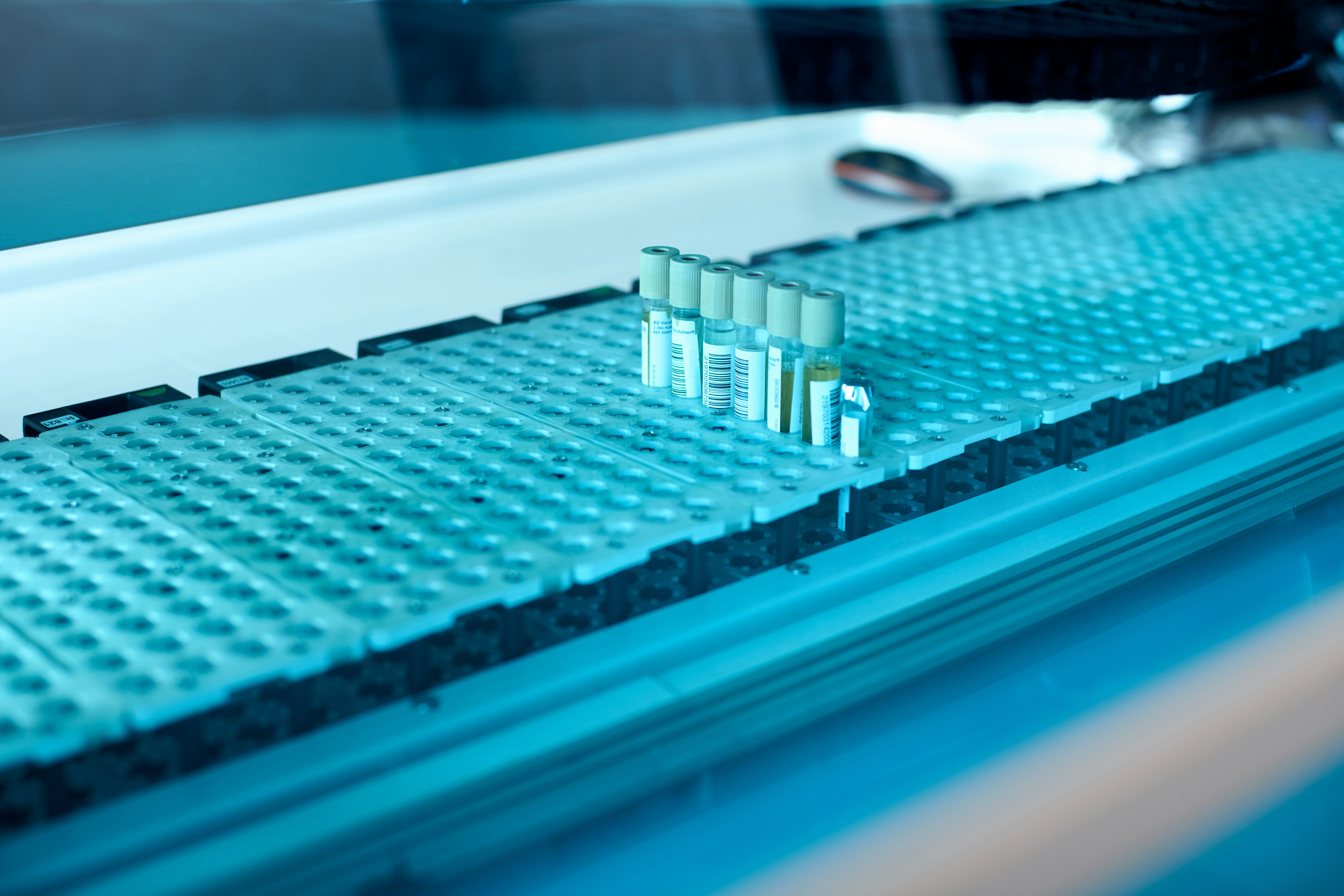
Forensic scientists analyse DNA. To do this in Australia, the person needs a bachelor’s degree in Forensic Science, Chemistry, Molecular Biology, or a related discipline. It requires high-level analytical thinking, attention to detail, and proficiency in lab techniques.
The process involves:
Collecting biological samples (blood, saliva, hair, etc.)
Extracting DNA
Creating a DNA profile
Comparing that profile to:
Suspects
Databases
Other crime scene samples
Depending on how serious the crime is will more than likely dictate how long it takes to get results. It depends on jurisdiction and backlog. DNA evidence is often perceived as one of the slowest parts of a criminal investigation, but official data suggests otherwise. According to the Victorian Law Reform Commission1, the average turnaround time for DNA analysis in Victoria is approximately 12.8 working days from the point the forensic laboratory receives the material. This timeframe is considered relatively short compared to other forensic disciplines and, notably, the report found no significant backlog in DNA testing at the time—highlighting that delays in criminal cases are often caused by other stages in the investigative and legal process rather than the analysis of DNA itself.
As mentioned DNA is unique if a perpetrator leaves any biological evidence it can be collected and tested against a suspect. If a suspect isn’t found, then it can be kept for later testing. In Australia, the equivalent of the US CODIS system is the National Criminal Investigation DNA Database (NCIDD), which holds over 1.7 million DNA profiles from crime scenes, suspects, and missing persons.
The First DNA Cases
United Kingdom
In the United Kingdom Colin Pitchfork became the first person to be convicted using DNA evidence in 1986. The case involved the murders of two young women in Leicestershire. DNA is so pivotitable in this because prior to Colin being named, another suspect, Richard Buckland, had already confessed to the crimes. Also during the collection process Colin initially dried to send someone else to provide the sample. He was found out which is how the police got the proper sample to expose him as the true perpetrator.
United States
A year later Tommie Lee Andrews became the first person in America to be convicted. This solidified that DNA profiling was a new standard to be set with evidence that could be used.
Australia
In Australia DNA profiling was used in 1989. Two key cases formally introduced DNA as legal evidence.
The ACT, the Australian Capital Territory, convicted Desmond Applebee of sexual assault. Gerald Kaufman also faced conviction for 16 counts of rape in Australia.
Why DNA Changed Everything
Prior to science and technology making DNA a useful tool, crimes were solved very differently. Cases relied on witness statements, confessions, and assumptions. Once DNA entered as an option for legal evidence, it changed the landscape of how a crime could be charged. DNA allowed investigators to reopen cold cases, correct wrongful convictions, and, as shown above, identify offenders with a level of certainty never possible.

1 ‘Committals: Report’, Victorian Law Reform Commission, n.d., viewed 27 March 2026, <https://www.lawreform.vic.gov.au/publication/committals/>.